


A bright, confident smile has a way of changing how you carry yourself, and veneers make that transformation possible with remarkable elegance. Whether chosen as part of a full smile makeover or to refine just a few teeth, veneers are designed to enhance color, shape, and symmetry while still looking natural.
What many people don’t realize is that veneers don’t just change how your smile looks, they invite a new level of care and awareness around daily habits. Veneers are strong, durable, and crafted to last, but they’re not indestructible. Just like natural teeth, they respond to what you eat, how you care for them, and the habits you repeat every day.
The good news is that maintaining veneers doesn’t require perfection, just intention. With a few thoughtful adjustments, your smile can stay polished and radiant for years to come. If you’ve invested in veneers or are considering them, understanding what to avoid is just as important as knowing what they can do.
Read on to learn how everyday choices affect veneer longevity, and how to protect your smile with confidence.
Why White Teeth Matter More Than Ever
A bright, well-balanced smile influences how you’re perceived long before a conversation begins. White teeth subtly communicate care, confidence, and vitality in a way few other features can.
- They create a strong first impression. Teeth are one of the most noticeable facial features when you smile or speak. When they appear clean and bright, they naturally convey confidence and attentiveness to personal care.
- They enhance facial harmony. Discoloration or uneven tones can pull focus away from your eyes, expressions, and overall facial balance. Whiter teeth help everything work together more seamlessly, allowing your natural features to stand out.
- They support confidence in social and professional settings. Feeling good about your smile often translates into more relaxed expressions and open communication. This can influence how comfortable and self-assured you feel in everyday interactions.
- They reflect overall oral health and wellness. While aesthetics are important, bright teeth are often associated with good hygiene and consistent dental care. This perception reinforces a polished, well-maintained appearance.
- They preserve the impact of cosmetic enhancements. Veneers are designed to elevate your smile’s appearance, but maintaining their brightness is key to sustaining that transformation. Thoughtful care helps protect the long-term visual impact of your investment.
What Veneers Are—and How They Work
Veneers are thin, custom-crafted shells designed to cover the front surface of teeth. They’re commonly made from porcelain veneers or composite veneers, each offering unique advantages depending on aesthetic goals and lifestyle needs.
Porcelain is prized for its durability and stain resistance, while composite options offer versatility and more conservative preparation. As a cosmetic dentistry solution, veneers are bonded securely to natural teeth, becoming part of your smile’s structure.
They’re used in smile design to improve color, close gaps, correct minor alignment issues, and create a more uniform appearance. While veneers are strong, they rely on proper bonding and underlying tooth support—making daily habits an important part of their longevity.
Foods and Habits to Avoid to Protect Your Veneers
Veneers are an investment in your smile and protecting them means being mindful of the everyday choices that matter most.
1. Biting Directly Into Hard Foods
Hard foods like ice, hard candies, and uncut apples can place excessive pressure on veneers. While veneers are designed to withstand normal chewing forces, sudden impact from biting straight down can cause chipping or fractures. Cutting hard foods into smaller pieces helps distribute pressure more safely. This simple adjustment goes a long way in protecting both porcelain veneers and composite veneers.

2. Using Teeth as Tools
Teeth were never meant to open packages, twist bottle caps, or tear plastic. Using veneers this way places stress on the bonding edge, increasing the risk of damage or detachment. Even occasional misuse can weaken veneers over time. Treating your smile as something to protect, rather than a tool, helps preserve its integrity.
3. Excessive Consumption of Staining Foods and Drinks
Although veneers resist staining better than natural enamel, the bonding material around them can still discolor. Beverages like coffee, red wine, tea, and dark sodas can gradually affect the edges of veneers. Foods such as berries, tomato sauces, and soy sauce can have a similar effect. Moderation, rinsing with water, and good oral hygiene help maintain a uniform, bright appearance.
4. Chewing on Ice
Ice may seem harmless, but it’s one of the most common causes of veneer damage. Its hardness combined with temperature extremes creates stress that veneers aren’t designed to absorb. Habitual ice chewing can lead to micro-fractures that weaken veneers over time. Avoiding this habit protects both your veneers and your natural teeth.
5. Grinding or Clenching Teeth
Bruxism—grinding or clenching teeth, often during sleep—can significantly impact veneer longevity. Repeated pressure places stress on the veneer surface and bonding interface. Over time, this can lead to chips or premature wear. Managing this habit is essential for long-term success, especially for patients with a history of nighttime grinding.
6. Sticky and Chewy Candies
Sticky candies like caramel, taffy, and gummies can pull at veneers and place strain on their edges. While occasional treats aren’t forbidden, frequent exposure increases the risk of loosening veneers. These foods also tend to linger on teeth, increasing the risk of decay around veneer margins. Choosing less adhesive alternatives helps protect your smile makeover investment.
7. Acidic Foods and Drinks
Highly acidic items, such as citrus fruits, vinegar-based dressings, and energy drinks, can wear down the bonding material over time. While veneers themselves are resistant, the adhesive that holds them in place is more vulnerable to acid exposure. Rinsing with water after consuming acidic foods helps neutralize their effects and protect your veneers.
8. Smoking and Tobacco Use
Tobacco products are one of the biggest threats to long-term veneer aesthetics. While veneers don’t stain as easily as natural enamel, smoking can discolor bonding areas and affect gum health around veneers. This can compromise the seamless look of your smile design. Avoiding tobacco supports both veneer longevity and overall oral health.
9. Skipping Regular Dental Visits
Routine dental checkups play a critical role in veneer maintenance. Professional cleanings remove plaque buildup around veneers and allow early detection of bonding issues. Skipping visits can allow small problems to progress unnoticed. Regular care helps preserve the appearance and function of veneers for years.
10. Using Abrasive Toothpaste
Some whitening or “deep clean” toothpastes are too abrasive for veneers. Over time, these products can dull veneer surfaces or affect bonding margins. Choosing a gentle, non-abrasive toothpaste helps maintain the smooth finish that gives veneers their natural shine.
11. Sudden Temperature Changes
Extreme temperature changes, such as drinking hot coffee immediately after ice water, can cause expansion and contraction in dental materials. While veneers are designed to tolerate normal temperature shifts, repeated extremes may affect bonding longevity. Allowing foods and drinks to cool slightly helps minimize stress on veneers.
12. Ignoring Gum Health
Healthy gums are essential to the appearance and stability of veneers. Inflammation or recession can expose veneer edges, making them more noticeable. Good brushing and flossing habits help maintain a natural transition between veneers and gums. Gum health supports both aesthetics and structural stability.
13. Poor Oral Hygiene Habits
Veneers don’t eliminate the need for proper brushing and flossing. Plaque buildup around veneers can lead to decay in the underlying tooth structure. Maintaining excellent oral hygiene protects both the veneer and the natural tooth beneath it. Consistency is key to long-term success.
14. Nail Biting and Chewing on Objects
Nail biting, chewing on pens, or holding objects between your teeth places uneven pressure on veneers. These habits may seem minor, but repeated stress can weaken veneers over time. Becoming aware of these behaviors is an important step in preserving your smile.
15. Delaying Repairs or Adjustments
If a veneer feels loose or uneven, waiting too long to address it can make the issue worse. Early adjustments are often simple, while delayed repairs may require more extensive treatment. Prompt attention helps protect your overall smile design and prevents additional damage.
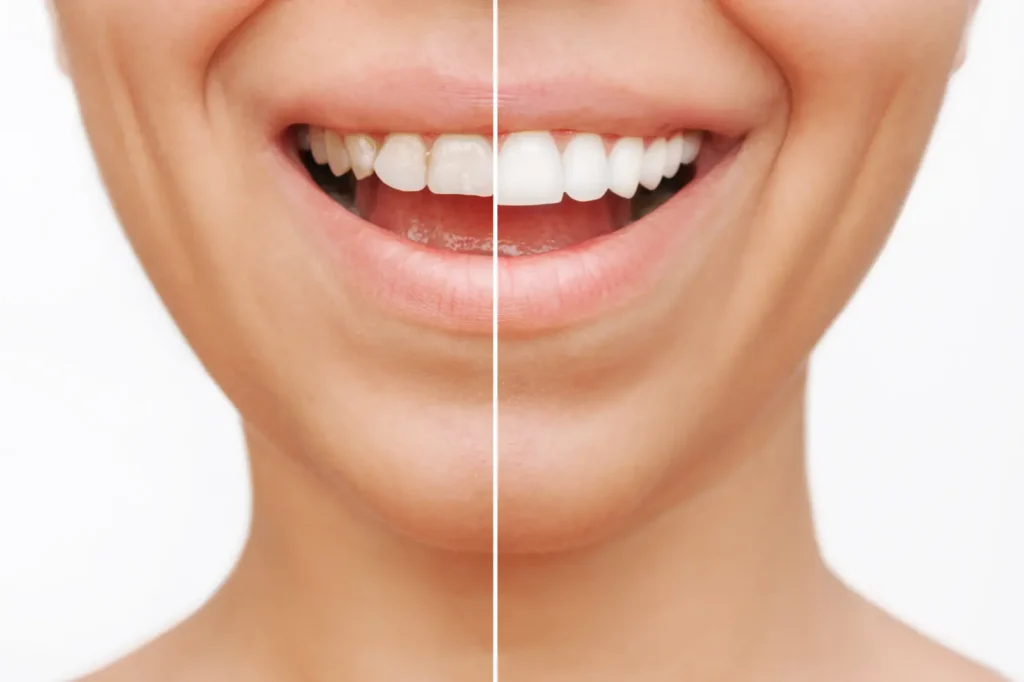
Protecting Your Smile for the Long Run
Veneers are designed to last, but their longevity depends on how they’re cared for. By avoiding damaging foods and habits, patients can enjoy the full benefits of cosmetic dentistry without unnecessary wear or complications.
When cared for thoughtfully, veneers continue to support confidence, expression, and comfort year after year. Small daily choices add up, preserving the beauty and function of your smile makeover long after the initial excitement fades.
At Fame By You, veneers are crafted and maintained with precision, artistry, and a long-term vision for smile health, so your investment continues to shine with confidence and ease.
Call us today to schedule your appointment!