

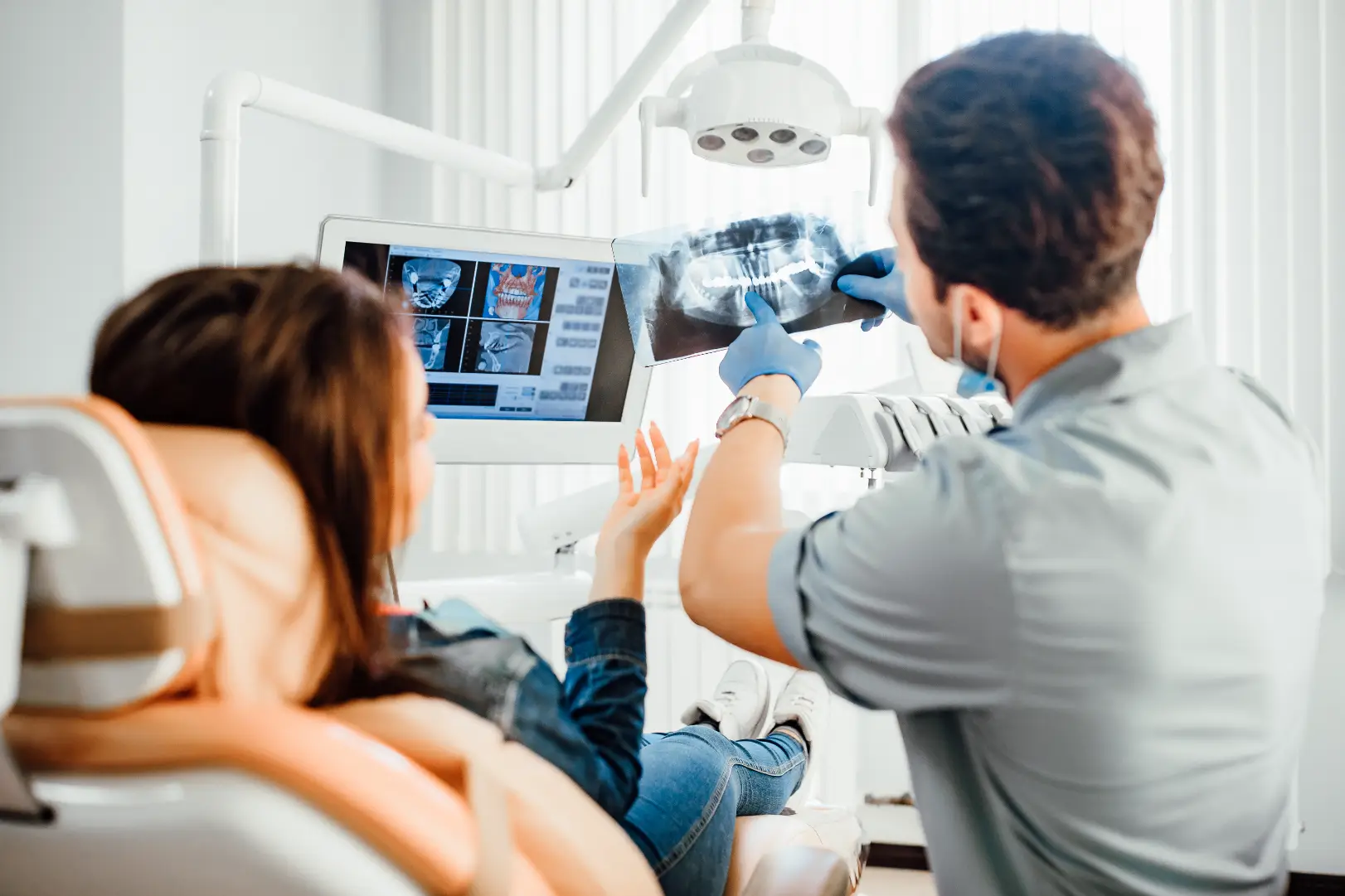
Dental pain has a way of showing up at the worst possible time. It does not ask for permission, and it rarely starts small. One moment everything feels manageable, and the next, you are dealing with discomfort that affects how you eat, speak, and even think clearly. That is the reality of a dental emergency. It interrupts your routine and demands immediate attention.
This is where emergency dentistry becomes more than just a service. It becomes a critical part of protecting your oral health. Delaying care might seem like an option when life is busy, but dental issues do not stay still. They progress, often faster than expected, turning minor problems into more serious complications.
An emergency dentist focuses on acting quickly, addressing the root cause, and preventing further damage. Whether it is severe tooth pain, trauma, or sudden swelling, prompt care changes the outcome. It is not just about relief. It is about preserving your teeth and avoiding long-term issues.
If you have ever hesitated to seek help during a dental emergency, continue reading. Understanding what is at stake can change how you respond the next time something feels off.
What Is Emergency Dentistry?
Emergency dentistry focuses on diagnosing and treating urgent dental issues that require immediate attention. These situations often involve pain, infection, or trauma that cannot wait for a routine appointment.
Here is what defines it:
- Immediate Response to Pain and Damage. Emergency care addresses sudden issues that disrupt normal function and comfort.
- Focus on Stabilization First. The goal is to control the situation quickly, whether that means relieving pain or protecting the tooth.
- Wide Range of Conditions Treated. This includes infections, broken teeth, and injuries.
- Access to Urgent Appointments. Many practices offer same-day dental appointment options to handle emergencies promptly.
- Prevention of Further Complications. Acting early reduces the risk of more serious damage.
This type of care is built around urgency. The faster the response, the better the outcome.
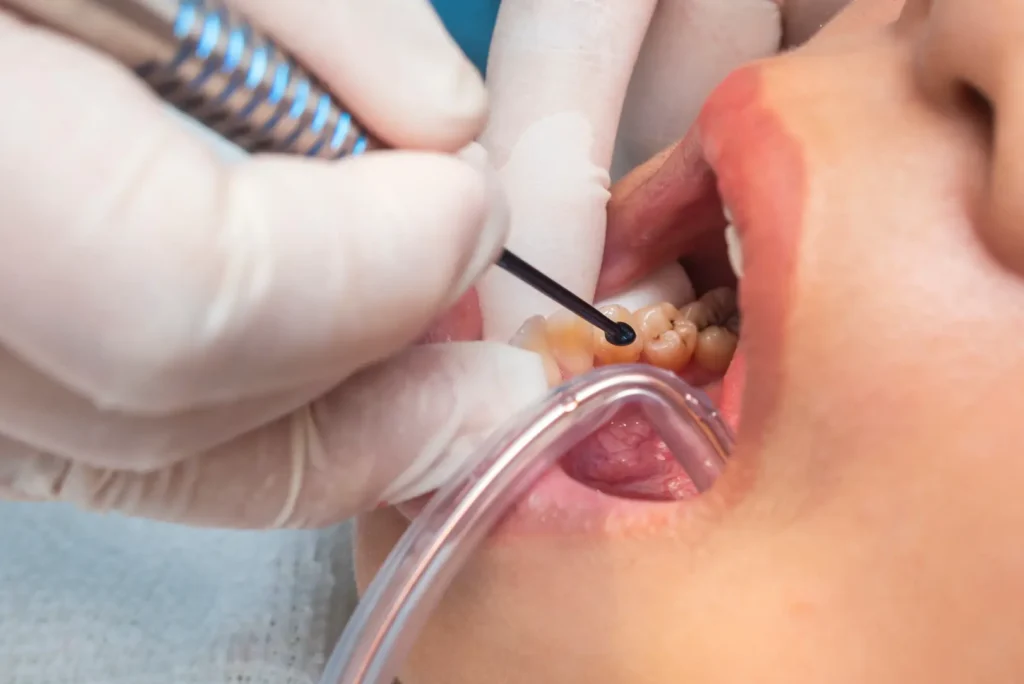
When It Becomes an Emergency
Not every dental issue requires immediate care, but certain symptoms should never be ignored.
Severe pain, swelling, bleeding, or trauma are all signs that something more serious is happening. Waiting in these situations often leads to worsening symptoms and more complex treatment needs.
Recognizing these signs early is the first step toward effective urgent dental care.
What Prompt Treatment Actually Does
Fast action in emergency dentistry is not just about getting out of pain. It completely changes how the situation develops over time. What could turn into a complicated, expensive problem can often be contained early with the right response. When patients act quickly, they are not just reacting. They are protecting their long-term oral health in a very real way.
The difference between waiting and acting right away often comes down to how much damage is allowed to progress. That is why understanding the real impact of prompt care matters.
1. Stops Pain at the Source
One of the most immediate benefits of dental emergency treatment is effective tooth pain relief, but what makes it powerful is how that relief is achieved. Pain in the mouth is rarely random. It is usually tied to something deeper, such as inflammation, infection, or nerve exposure.
When an emergency dentist steps in, the goal is not just to numb the area temporarily. The focus is on identifying what is triggering the pain and addressing it directly. This might involve stabilizing a damaged tooth, treating an infection, or relieving pressure inside the tooth.
Over-the-counter medications can reduce discomfort for a short time, but they do not stop the underlying cause. That is why pain often comes back stronger or more persistent when treatment is delayed. Prompt care interrupts that cycle. It removes the source of irritation so the body can begin to recover instead of staying in a constant state of inflammation.
2. Prevents Infection From Spreading
Infections are one of the most serious risks in dental emergencies because they do not stay contained for long. What starts as a localized issue inside a tooth or gum can gradually spread to surrounding tissues if left untreated.
Early-stage infections may only cause mild discomfort or sensitivity, which makes them easy to ignore. As they progress, swelling, pressure, and even fever can develop. At that point, the body is reacting to something that has already spread beyond its original location.
Prompt urgent dental care stops that progression. By treating the infection early, dentists can prevent it from affecting nearby teeth, bone, or even other areas of the body. This is not just about oral health. It is about protecting overall health, since untreated infections can lead to more serious complications.
The earlier the infection is addressed, the simpler the treatment tends to be. Waiting allows the problem to grow, which increases both the intensity of symptoms and the complexity of care needed.
3. Saves Natural Teeth
Saving a natural tooth is always the priority in emergency dentistry, and timing plays a major role in whether that is possible.
Take knocked-out tooth treatment as an example. When a tooth is dislodged due to trauma, there is a limited window where it can potentially be repositioned successfully. Acting quickly gives the tooth a chance to reattach and function normally again.
Even in less dramatic situations, such as a cracked or loosened tooth, early intervention helps preserve the structure. A small fracture can often be stabilized if treated immediately. If ignored, that same fracture can deepen, leading to more extensive damage that may not be repairable.
Preserving natural teeth is not just about aesthetics. It also maintains proper function, alignment, and long-term oral health. Prompt care keeps that possibility open.
4. Reduces Long-Term Damage
Many dental emergencies start small but become significant when left untreated. A slight discomfort might seem manageable at first, but the underlying issue continues to develop.
For example, a minor crack in a tooth may not cause immediate pain. Over time, that crack can expand, allowing bacteria to enter and cause infection. What could have been a straightforward repair turns into a more involved procedure.
Prompt dental emergency treatment stops that progression early. It prevents the issue from escalating into something that requires more time, more intervention, and greater cost. It also reduces the impact on surrounding teeth and tissues.
This is where the real value of acting quickly becomes clear. It is not just about fixing the current problem. It is about preventing a chain reaction of additional issues.
Confidence Through Care
There is a sense of control that comes from knowing how to handle a dental emergency. Prompt treatment restores comfort and prevents long-term complications. It allows you to move forward without lingering concerns.

Where It All Comes Together
Fame By You approaches emergency dentistry with a focus on speed, precision, and patient care. From providing urgent dental care to offering same-day dental appointment options, the goal is to address issues quickly and effectively.
Whether it involves tooth pain relief, broken tooth repair, or knocked-out tooth treatment, each service is designed to stabilize the situation and prevent further damage. This approach to dental emergency treatment supports better outcomes and long-term oral health.
When unexpected dental issues arise, having access to reliable emergency dentistry makes all the difference. Acting quickly protects your smile, your comfort, and your overall well-being.
Get in touch with us today to book your appointment!